
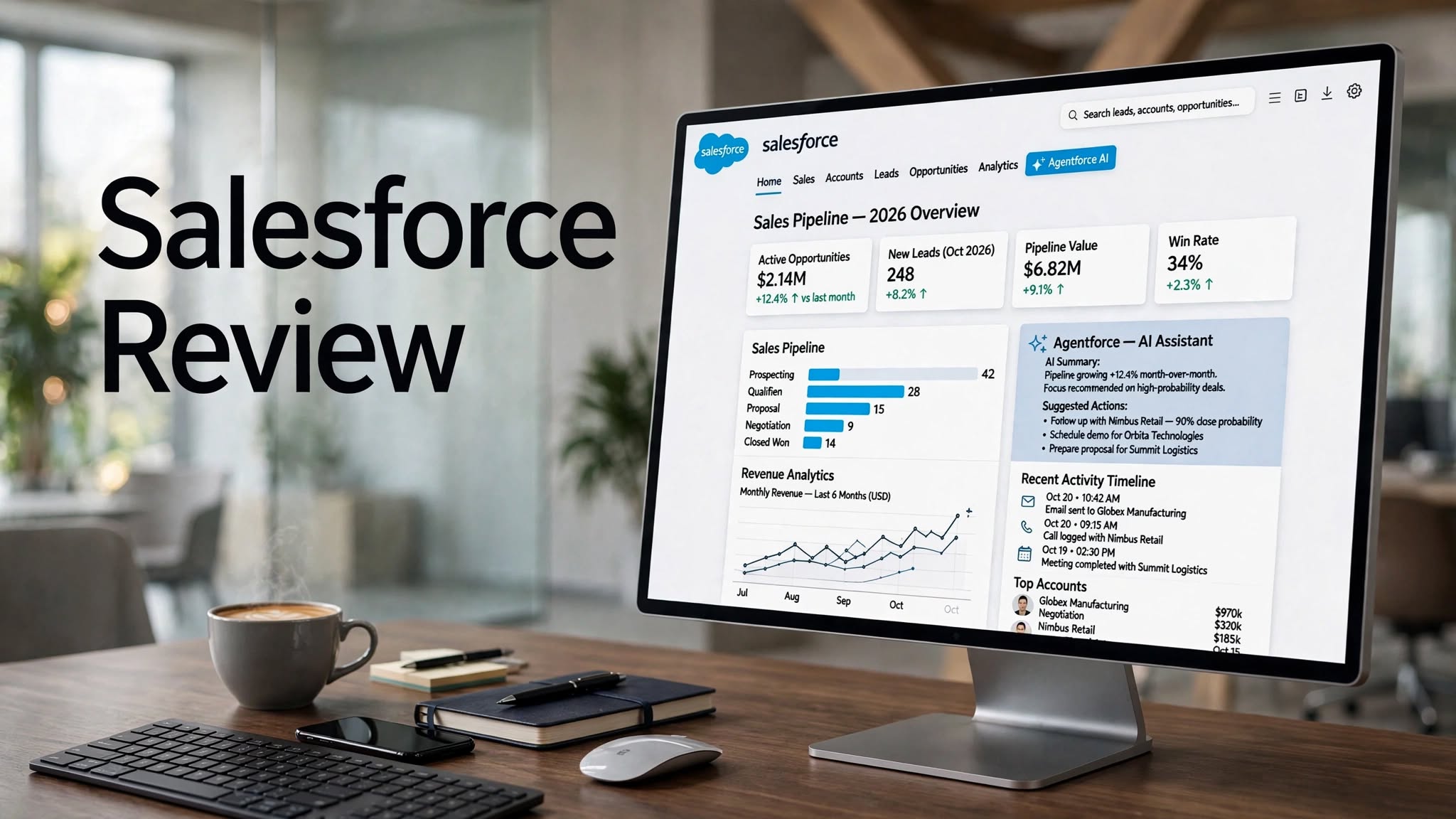

Salesforce is one of the most widely recognized customer relationship management platforms for managing sales, customer service, marketing, commerce, and other customer-facing operations. Rather than functioning as a basic contact database, Salesforce provides a broad CRM ecosystem that can be customized around different business processes.
The platform brings customer information, sales opportunities, communication, automation, analytics, and AI-powered capabilities into a connected environment. Its product ecosystem includes Sales Cloud, Service Cloud, Marketing Cloud, Commerce Cloud, Data Cloud, and Agentforce.
In this Salesforce review, we’ll look at its major features, pricing, AI capabilities, pros and cons, alternatives, and who may benefit from using the platform.
What Is Salesforce?
Salesforce is a cloud-based CRM platform designed to help businesses manage customer relationships and business interactions from a centralized system.
Sales teams can use it to manage leads, accounts, contacts, opportunities, sales pipelines, forecasts, and customer activity. Customer service teams can use Salesforce tools to manage support processes, while marketing and commerce teams can connect their activities with customer data.
The platform is highly customizable, making it possible for businesses to configure workflows, fields, automation, reports, dashboards, and applications around their individual requirements.
Salesforce Highlights
- Customer and contact management
- Lead management
- Opportunity tracking
- Sales pipeline management
- Sales forecasting
- Workflow automation
Salesforce CRM Features
Contact and Account Management
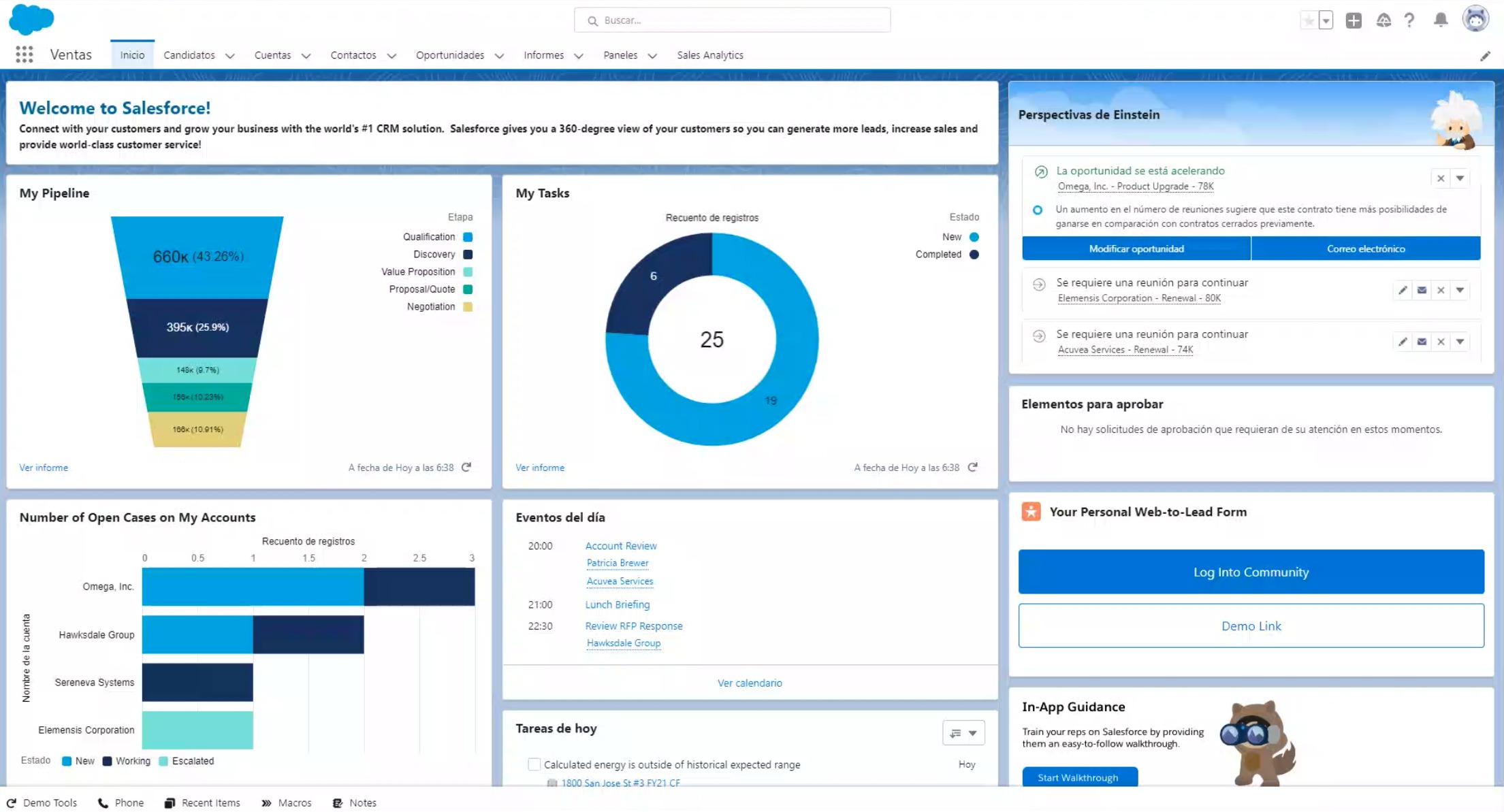
Salesforce allows businesses to organize information about customers, prospects, companies, and accounts in a centralized CRM.
Teams can maintain customer records, track interactions, associate contacts with accounts, and connect relevant activities with opportunities and service processes.
This shared customer information can help different departments work with a more complete view of customer relationships.
Lead Management
Salesforce provides tools for capturing and managing leads throughout the sales process.
Sales teams can organize leads, assign them to representatives, track activities, and move qualified prospects into the appropriate sales workflow.
Lead routing and sales flows are included in the Starter Suite, while more advanced automation and customization are available with higher-level plans.
Opportunity and Pipeline Management
Salesforce provides tools for managing sales opportunities and monitoring pipeline activity.
Teams can track opportunities through different sales stages, review deal information, manage activities, and use forecasting capabilities to understand pipeline performance.
Higher-level Sales Cloud editions add more advanced pipeline management and forecasting functionality.
Sales Automation
Automation can help sales teams reduce repetitive administrative work.
Salesforce provides tools for creating automated processes, routing leads, updating records, managing tasks, and supporting sales workflows.
The amount of automation and customization available depends on the selected Salesforce edition.
Reporting and Analytics
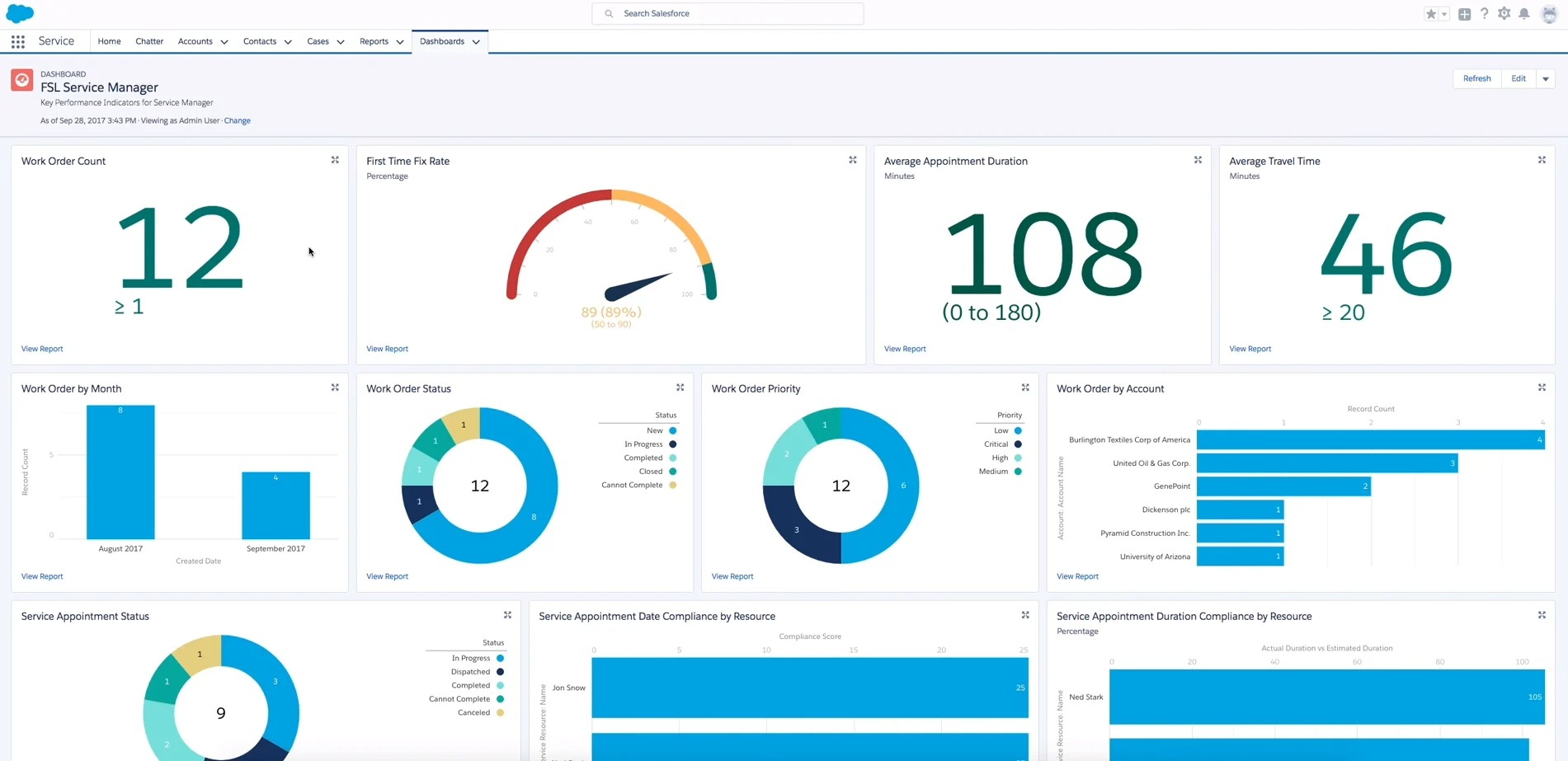
Salesforce includes reporting and dashboard capabilities for monitoring sales and business performance.
Teams can create reports and dashboards around opportunities, revenue, sales activity, customer information, and other CRM data.
Businesses can also connect Salesforce with Tableau capabilities for more advanced analytics depending on the products and plans they use.
AI and Agentforce
AI is an increasingly important part of Salesforce’s CRM platform.
Salesforce integrates AI capabilities into its CRM products and offers Agentforce for AI-powered assistance and agents across customer-facing workflows. The exact AI functionality available depends on the Salesforce products and edition selected.
These capabilities are intended to help with tasks such as sales assistance, customer service, data analysis, productivity, and workflow automation.
Customer Service
Salesforce Service Cloud provides tools for managing customer support and service operations.
Businesses can organize customer cases, service interactions, workflows, and support activities while connecting them with CRM information.
This can help service teams access customer context without maintaining completely separate customer records.
Marketing
Salesforce also provides marketing products that connect marketing activities with CRM and customer data.
Marketing teams can use Salesforce’s ecosystem for campaign management, customer engagement, personalization, and automation.
The available capabilities depend on the Marketing Cloud products and subscription selected.
Commerce
Salesforce Commerce Cloud extends the platform into ecommerce and commerce management.
Businesses can connect commerce activities with customer data and other Salesforce products, allowing sales, service, marketing, and commerce operations to work within a broader ecosystem.
Integrations and AppExchange
One of Salesforce’s major strengths is its ecosystem of integrations and applications.
AppExchange provides access to additional applications that can extend Salesforce functionality. Businesses can connect Salesforce with tools used for communication, accounting, analytics, marketing, productivity, customer support, and other business processes.
Mobile CRM
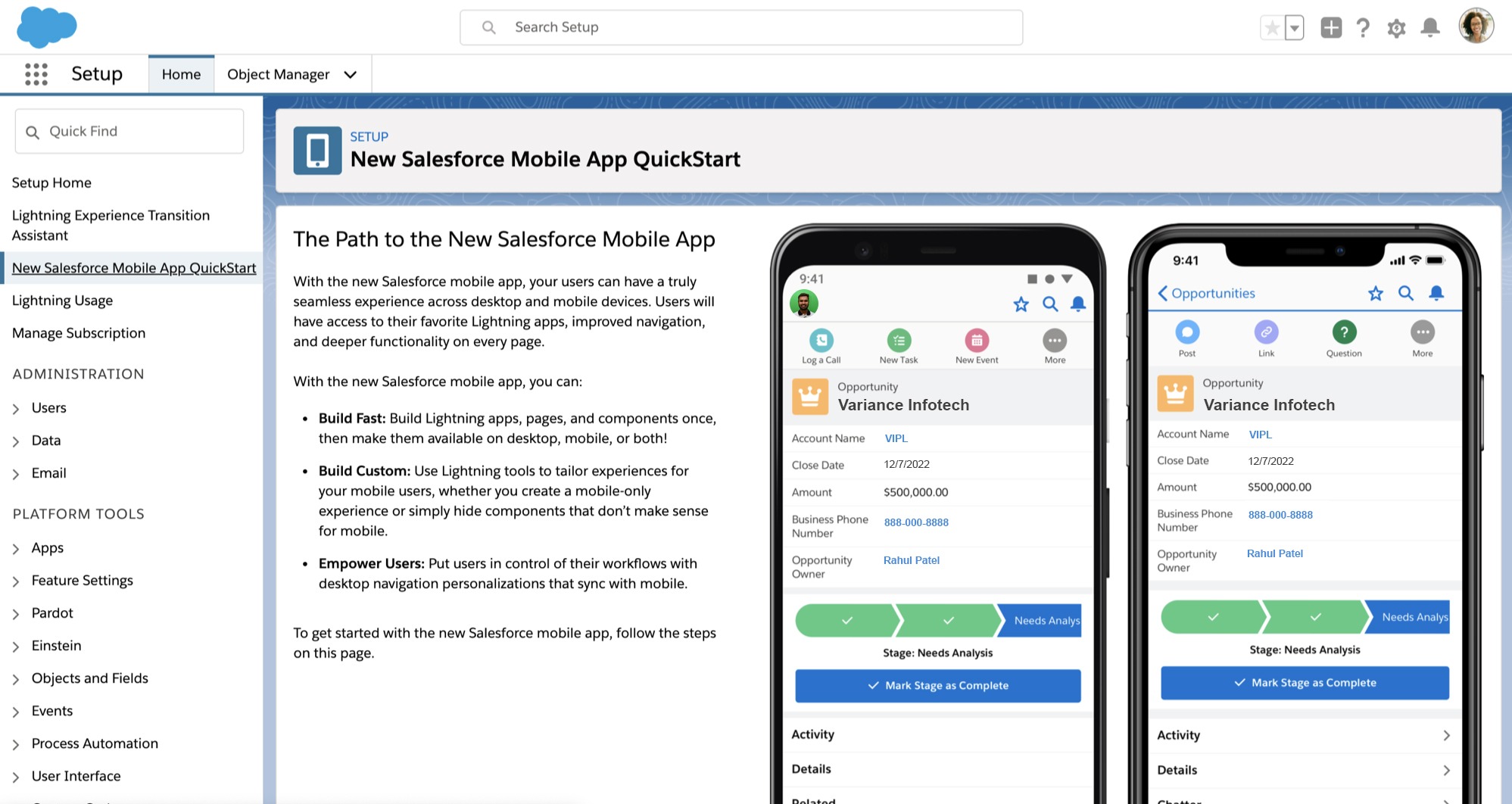
Salesforce also provides mobile access, allowing sales and customer-facing teams to work with CRM information while away from their desks.
Mobile capabilities can be particularly useful for sales representatives who need access to customer and opportunity information during meetings or travel.
Salesforce Pros
- Powerful CRM functionality
- Extensive customization options
- Strong sales pipeline management
- Advanced reporting and dashboards
- Wide range of automation tools
- Large AppExchange ecosystem
- AI and Agentforce capabilities
- Sales, service, marketing, and commerce products
- Strong integration options
- Mobile CRM functionality
- Suitable for complex business workflows
- Scalable platform for growing organizations
Salesforce Cons
- Can be expensive for smaller teams
- Pricing can become complex
- Advanced features may require higher-tier plans
- Extensive customization can require technical expertise
- Initial setup may take time
- Large feature set can feel overwhelming
- Add-ons can increase the overall cost
- Some businesses may not need its full range of functionality
Who Is Salesforce Best For?
Growing Sales Teams
Sales teams can use Salesforce to manage leads, contacts, opportunities, sales activities, and pipelines from one system.
Large Organizations
Organizations with complex processes can benefit from Salesforce’s customization, automation, integrations, and broader CRM ecosystem.
Customer Service Teams
Businesses that need customer service operations connected with customer and sales information can use Service Cloud alongside their CRM.
Enterprise Businesses
Salesforce offers a broad range of products and customization capabilities that can support organizations with multiple departments and complex customer journeys.
Businesses Using Multiple Business Tools
Companies that need their CRM to connect with other applications can take advantage of Salesforce’s integration ecosystem and AppExchange marketplace.
Salesforce Pricing
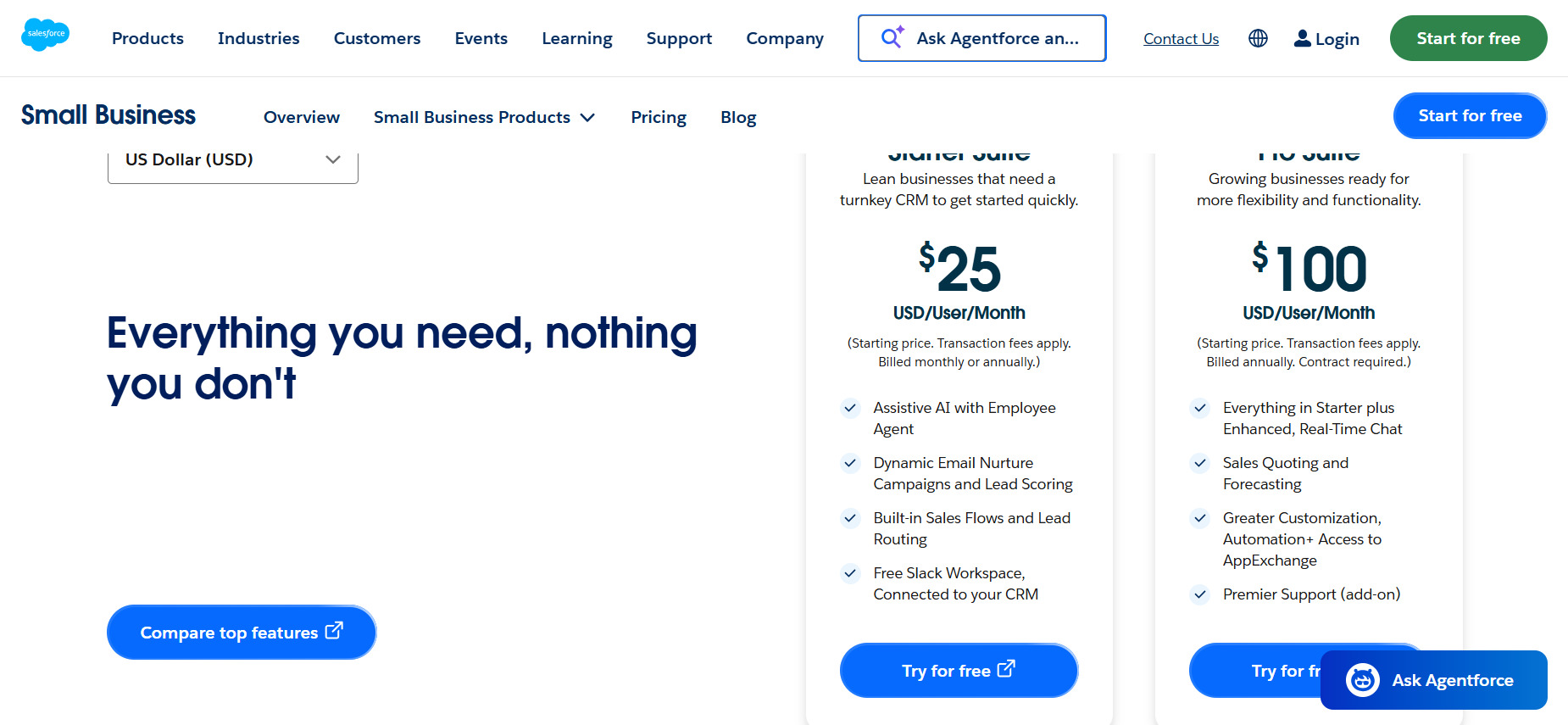
Salesforce pricing depends on the specific CRM product and edition selected.
As of the current Salesforce pricing information, the Sales Cloud options include Starter Suite at $25 per user/month, Pro Suite at $100 per user/month, Core at $195 per user/month, Advanced at $395 per user/month, and Max at $550 per user/month. Billing terms vary by plan, and some features or products may require additional purchases.
The Starter Suite includes lead, account, contact, and opportunity management, sales flows, lead routing, email synchronization, and marketing functionality. Higher plans add greater customization, automation, forecasting, AI, security, data capacity, and other advanced capabilities.
Salesforce also offers free trials for its Sales Cloud editions, while the exact availability and terms should be checked on the current Salesforce pricing page.
Because Salesforce has a large collection of products, add-ons, applications, and services, businesses should calculate the total cost based on the specific functionality they actually need.
Salesforce Alternatives
Salesforce competes with other major CRM platforms such as HubSpot CRM, Zoho CRM, Microsoft Dynamics 365, and Pipedrive.
HubSpot focuses on connecting CRM with sales, marketing, and customer service tools. Zoho CRM is part of the broader Zoho business software ecosystem. Microsoft Dynamics 365 combines CRM and business applications, while Pipedrive focuses heavily on sales pipeline and sales management.
The most suitable platform depends on factors such as company size, budget, customization requirements, sales process, automation needs, integrations, and technical resources.
Is Salesforce Worth It?
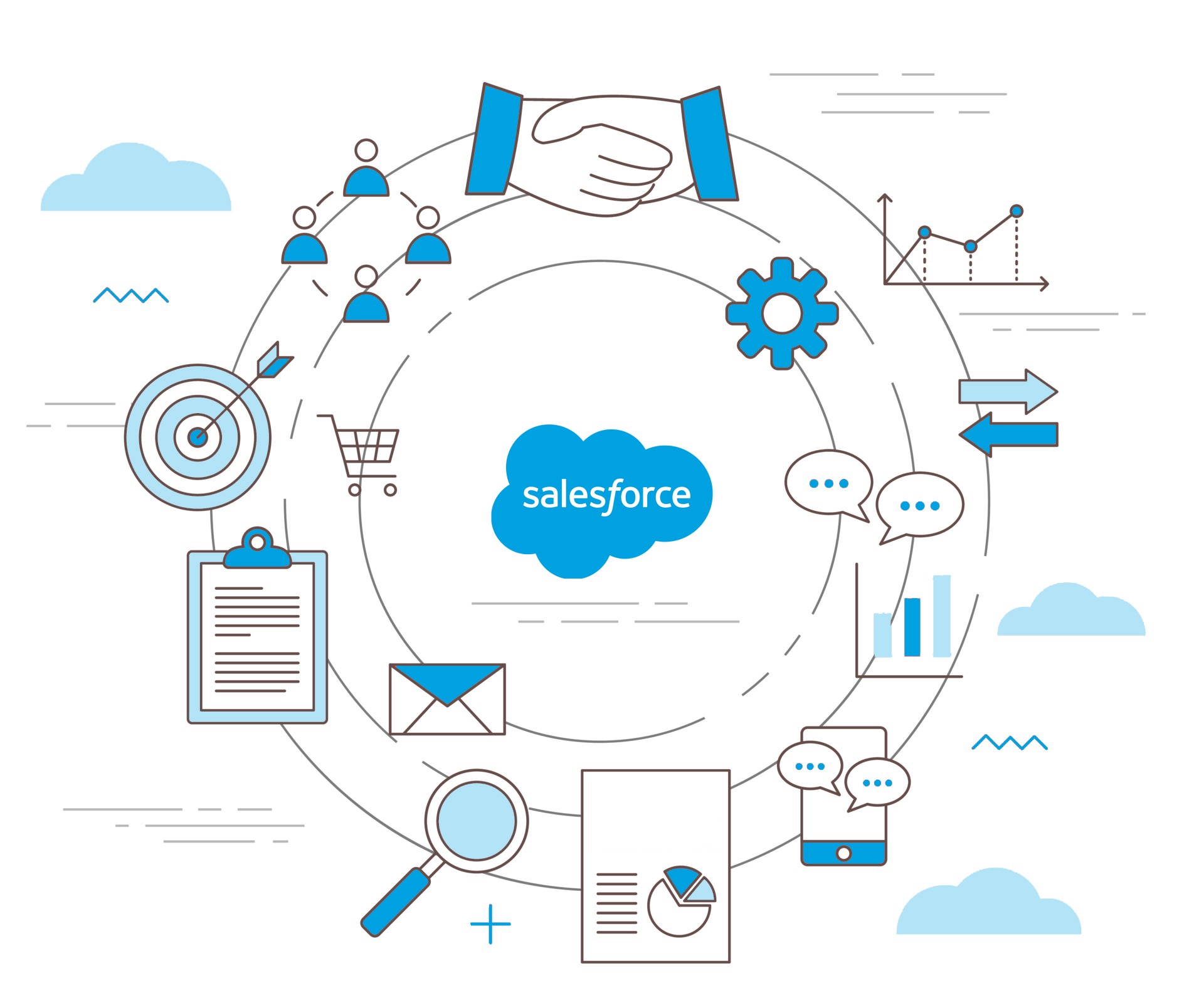
Salesforce provides a broad CRM ecosystem rather than simply offering contact and deal management. Its combination of sales automation, reporting, customization, integrations, service tools, marketing products, commerce capabilities, and AI can support complex business workflows.
However, businesses should consider implementation requirements and total costs carefully. A smaller company with simple CRM requirements may not need every feature available within the Salesforce ecosystem.
For organizations that require a highly configurable CRM platform with extensive business integrations and multiple customer-facing products, Salesforce is a platform worth evaluating.
Final Verdict
Salesforce remains a comprehensive CRM platform designed for businesses that need more than basic customer and sales management.
Its extensive customization, automation, reporting, integrations, AI capabilities, and connected products make it possible to build sophisticated customer-management workflows. At the same time, the platform’s broad feature set means that businesses may need more time and resources for setup, administration, and ongoing management.
For companies looking for a scalable CRM ecosystem covering sales, service, marketing, commerce, data, and AI, Salesforce provides a wide range of tools in one platform.
